Authentic Assessment In Arabic: Bridging Curriculum And Practice – نحوَ التّقييم الواقعيّ في اللّغة العربيّة: الرّبطُ بين المناهج وممارسات التّقييم

6 hours
All levels
0 lessons
0 quizzes
0 students

Authentic Assessment In Arabic: Bridging Curriculum And Practice – نحوَ التّقييم الواقعيّ في اللّغة العربيّة: الرّبطُ بين المناهج وممارسات التّقييم

  • Created By Imad Nasr
  • Last Updated January 12th, 2026

Programme Overview

Topic
This WS equips Arabic teachers with practical strategies to design, implement, and evaluate authentic assessments that align with curriculum standards and improve student learning outcomes.


تزود هذه الورشة معلّمي اللغة العربيّة باستراتيجيات عمليّة لتصميم وتنفيذ أساليب تقييم واقعيّة أو حقيقيّة تتماشى مع معايير المنهاج وتسهم في تحسين نواتج تعلّم الطّلبة.

Delivery Model

Face-to-Face

What is Included

Certificate of attendance

Course material (if applicable)

Cost

AED 1400 plus 5% VAT (per delegate)

Registration

Please fill out the booking form to register.

If you would like bespoke in-school training, please contact Paola (paola@infinitelearning.ae) for more information.

Course Details

Date of Training
Course Dates will be Scheduled Once we have Sufficient Registrations to Ensure Course Viability. 

Time

TBC

Venue

TBC

Booking Deadline
TBC
Target audience

Arabic teachers across all phases  

معلّمو ومعلّمات اللّغة العربيّة لكلّ المراحل. 

Aims of the course
  • To develop teachers’ understanding of authentic, formative, and summative assessment frameworks within both the Arabic and MOE contexts. 
  • To support Arabic teachers in designing assessments that align the written, taught, and assessed curriculum for improved coherence and student outcomes. 
  • To empower teachers to use assessment data effectively to plan instruction, differentiate learning, and track student progress in meaningful ways. 
  • To strengthen teachers’ capacity to create assessment experiences that reflect real-life application of language, deepen comprehension, and promote higher-order thinking. 
  • تطوير فهم المعلّمين لأطر التّقييم الحقيقيّ، والتّقييم التكوينيّ، والتّقييم الختاميّ في سياق تعليم اللّغة العربيّة ومواد وزارة التربية والتعليم. 
  • دعم معلّمي اللغة العربيّة في تصميم أدوات تقييم تتّسم بالاتساق بين المنهاج المكتوب، والمنهاج المُدرَّس، والمنهاج المُقيّم، بما يسهم في تحسين جودة التعلّم ومخرجات الطلبة. 
  • تمكين المعلّمين من توظيف بيانات التّقييم بفاعليّة في تخطيط التّدريس، وتخطيط عمليّة التّمايز، ومتابعة تقدّم الطلبة بطرق هادفة. 
  • تعزيز قدرة المعلّمين على تصميم أنشطة تقييم تعكس توظيف اللّغة في مواقف حياتيّة واقعيّة، وتُعمّق الفهم، وتدعم تنمية مهارات التّفكير العليا. 
Intended outcomes

Teachers will be able to: 

  • Distinguish clearly between authentic, formative, and summative assessments, and apply each appropriately in Arabic A and Arabic B contexts. 
  • Design valid and reliable assessment tasks that reflect curriculum standards and mirror real-life language use. 
  • Align assessments more effectively with learning objectives, lesson activities, and curriculum expectations. 
  • Use assessment data (qualitative and quantitative) to inform planning, adjust teaching, and provide targeted support for students across proficiency levels. 
  • Implement feedback strategies that promote student ownership of learning and continuous improvement. 
  • Evaluate existing assessment practices and make informed refinements to enhance student learning outcomes. 

سيتمكّن المعلّمون من: 

  • التّمييز بين التّقييم الحقيقيّ والتكوينيّ والختاميّ، وتطبيق كلٍّ من هذه التّقييمات بصورة مناسبة في سياق اللّغة العربيّة للنّاطقين بها وللنّاطقين بغيرها. 
  • تصميم مهام تقييم فعّالة تعكس معايير المنهاج وتحاكي استخدام اللّغة في مواقف حياتيّة واقعيّة. 
  • مواءمة أدوات التّقييم بفاعليّة أكبر مع الأهداف التّعليميّة وأنشطة الدروس ومتطلّبات المنهاج بشكلٍ عامّ.  
  • توظيف بيانات التّقييم النوعيّة والكمّيّة في تخطيط التّدريس، وفي تعديل الممارسات التعليميّة وتقديم دعم موجّه للطلبة بمستويات كفاءة مختلفة. 
  • تطبيق استراتيجيّات تغذية راجعة تشجّع الطّلبة على تحمّل مسؤوليّة تعلّمهم وتدعم تحسّنهم المستمرّ. 
  • معالجة ممارسات التّقييم للحكم على جودتها والعمل على تحسينها بما يُسهم في تعزيز نواتج تعلّم الطّلبة. 
Curriculum is empty

Imad Nasr

Avatar photo

0.0 Avg Review
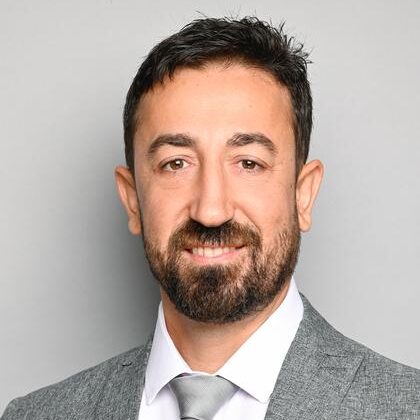
Imad is an experienced educational leader and Arabic Director with over two decades of expertise in language education and curriculum development across the GCC. He is an IB School Visit Team Member and certified Workshop Leader, with a proven track record of supporting schools in strengthening Arabic, Islamic, and MoE subject provision. With extensive experience teaching Arabic as a first and second language, Imad brings deep knowledge of intercultural communication, linguistics, translation, and foreign language pedagogy. His leadership roles have centred on elevating teaching and learning standards, developing curriculum pathways, and promoting meaningful integration of national identity and local culture within international school settings. Imad holds a PhD in Arabic Language Studies, a PGCE in Modern Languages from the University of Birmingham, and an NPQSL from UCL’s Institute of Education. He also holds a Teaching Diploma and a Postgraduate Diploma in Linguistics from the Lebanese University. His diverse academic and professional background equips him with a comprehensive understanding of contemporary educational challenges and innovative approaches to language teaching.

0.00

0 Ratings

0%
0%
0%
0%
0%

Understanding authentic, formative and summative assessments in the Arabic and MOE context 

Designing effective assessments that align the written, taught, and assessed curriculum 

Using assessment data to inform teaching and support student progress 

Benchmark: This course aligns with Standard 5: Assessment for Learning from KHDA’s framework, which emphasizes the use of ongoing and reliable assessment practices to monitor, support, and improve student learning. 

 Understanding authentic, formative and summative assessments in the Arabic and MOE context 

Designing effective assessments that align the written, taught, and assessed curriculum 

Using assessment data to inform teaching and support student progress 

Benchmark: This course aligns with Standard 5: Assessment for Learning from KHDA’s framework, which emphasizes the use of ongoing and reliable assessment practices to monitor, support, and improve student learning. 

فهم التّقييم الحقيقي، والتّقييم التّكويني، والتّقييم الختاميّ في سياق تعليم اللغة العربيّة ومواد وزارة التّربية والتّعليم.
تصميم أدوات تقييم فعّالة تضمن الاتساق بين المنهاج المكتوب، والمنهاج المُدرَّس، والمنهاج المُقيَّم.
استخدام بيانات التّقييم لتوجيه عمليّات التّدريس ودعم تقدّم الطلبة وتعلّمهم. 

DAY 1 
8:45  Registration and refreshments 
9:00  Overview of authentic, formative, and summative assessments 

MOE assessment requirements and KHDA expectations 

What makes an assessment “authentic”? 

Guided discussion 

10:30  Coffee break 
11:00  Backward design and aligning “written–taught–assessed” curriculum 

Creating tasks that promote real-life language use 

Designing rubrics and success criteria 

Ensuring progression and differentiation across levels 

Collaborative creation of assessment tasks 

12:30  Lunch break 
13:30  Using assessment data to inform next steps 

Identifying student needs and planning targeted interventions 

Effective feedback strategies for Arabic classrooms 

Reviewing student samples, moderating, and analysing trends 

Action planning for improved assessment practice 

15:00  End 
د.إ1400
Trainer:
Imad Nasr
Duration:
6 Hours
Sessions:
1
Language:
Arabic