Arabic in International Schools: Overcoming Challenges, Finding Solutions – اللّغة العربيّة في المدارس الدّولية: مقاربةٌ للتّحدّيات ووسائلُ للحلول

3 hours
All levels
0 lessons
0 quizzes
0 students

Arabic in International Schools: Overcoming Challenges, Finding Solutions – اللّغة العربيّة في المدارس الدّولية: مقاربةٌ للتّحدّيات ووسائلُ للحلول

  • Created By Imad Nasr
  • Last Updated January 12th, 2026

Programme Overview

Topic
This workshop equips Arabic educators with practical strategies to address the unique challenges of teaching and learning Arabic in international school contexts. Participants will explore effective pedagogical approaches, curriculum alignment, and classroom practices that foster student motivation, engagement, and achievement. 
 

تزوّدُ هذه الورشة معلمي اللّغة العربيّة باستراتيجيّات عمليّة لمواجهة التّحدّيات الفريدة في تعليم وتعلّم اللّغة العربيّة في بيئات المدارس الدّوليّة. سيستكشف المشاركون أساليب تدريس فعّالة، ومواءمة المناهج والممارسات الصّفّيّة التي تعزّز دافعيّة الطّلاب ومشاركتهم الفعّالة وتحصيلهم الأكاديمي. 

Delivery Model

Face-to-Face

What is Included

Certificate of attendance

Course material (if applicable)

Cost

AED 1000 plus 5% VAT (per delegate)

Registration

Please fill out the booking form to register.

If you would like bespoke in-school training, please contact Paola (paola@infinitelearning.ae) for more information.

Course Details

Date of Training
Course Dates will be Scheduled Once we have Sufficient Registrations to Ensure Course Viability. 

Time

TBC

Venue

TBC

Booking Deadline
TBC
Target audience

Arabic teachers across all phases 

معلّمو ومعلّمات اللّغة العربيّة لكلّ المراحل.

Aims of the course
  • To deepen Arabic educators’ understanding of the unique challenges associated with teaching Arabic in international, multilingual, and multicultural school contexts. 
  • To equip teachers with practical and adaptable strategies to address challenges related to curriculum alignment, resources, and student motivation. 
  • To support educators in meeting diverse learner needs while promoting equity, progression, and high expectations for all students. 
  • To encourage reflective practice and the sharing of effective pedagogical approaches through professional dialogue and collaboration among Arabic teachers in international schools. 
  • تعزيز فهم معلّمي اللّغة العربيّة للتّحدّيات المرتبطة بتعليم العربيّة في المدارس الدّوليّة متعدّدة اللّغات والثقافات. 
  • تزويد المعلّمين باستراتيجيات عمليّة قابلة للتّكيف لمواجهة التّحديات المتعلّقة بالمناهج والمصادر وتحفيز الطّلاب. 
  • دعم المعلّمين في تلبية الاحتياجات المتنوّعة للمتعلّمين مع تعزيز المساواة في عمليّة التّعليم، والتّقدم الأكاديمي، ورفع التّوقّعات لجميع فئات الطّلاب. 
  • تشجيعُ التأمّل كعمليّة روتينيّة مثمرة، وتبادل الأساليب التّربوية الفعّالة من خلال التّواصل المهنيّ المستمرّ والتعاون بين معلّمي المادّة في المدارس الدوليّة. 


Intended outcomes

Teachers will be able to: 

  • Identify and analyse key challenges impacting the teaching and learning of Arabic in international school settings. 
  • Apply practical strategies to improve curriculum coherence, resource use, and student engagement in Arabic lessons. 
  • Adapt teaching approaches to support diverse proficiency levels and learner profiles while ensuring equitable progress. 
  • Implement classroom practices that promote inquiry, critical thinking, and collaborative learning in Arabic. 
  • Contribute to and benefit from professional learning communities by sharing effective practices and solutions across international schools. 

سيكون المعلمون قادرين على: 

  • تحديد وتحليل التّحدّيات الرّئيسية التي تؤثّر على تعليم اللّغة العربيّة وتعلّمها في سياقات المدارس الدّولية. 
  • تطبيق استراتيجيّات عمليّة لتعزيز توافق المناهج، واستخدام المصادر، وتحفيز الطّلاب في دروس اللّغة العربيّة. 
  • تكييف أساليب التّدريس لدعم مستويات الكفاءة المختلفة وملامح المتعلّمين المتنوّعة مع ضمان تحقيق التّقدم المتكافئ لجميع الطّلاب. 
  • تنفيذ ممارسات صفّيّة تعزّز التّفكير التّحليليّ، ومهارة البحث والاستقصاء، والتّعلّم التّعاونيّ في اللّغة العربيّة. 
  • المساهمة في مجتمعات التّعلم المهنيّة والاستفادة منها من خلال تبادل الممارسات والحلول الفعّالة بين المدارس الدوليّة. 
Curriculum is empty

Imad Nasr

Avatar photo

0.0 Avg Review
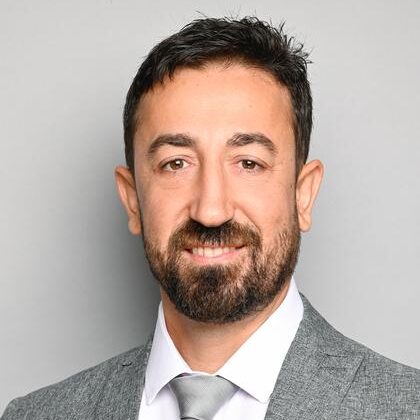
Imad is an experienced educational leader and Arabic Director with over two decades of expertise in language education and curriculum development across the GCC. He is an IB School Visit Team Member and certified Workshop Leader, with a proven track record of supporting schools in strengthening Arabic, Islamic, and MoE subject provision. With extensive experience teaching Arabic as a first and second language, Imad brings deep knowledge of intercultural communication, linguistics, translation, and foreign language pedagogy. His leadership roles have centred on elevating teaching and learning standards, developing curriculum pathways, and promoting meaningful integration of national identity and local culture within international school settings. Imad holds a PhD in Arabic Language Studies, a PGCE in Modern Languages from the University of Birmingham, and an NPQSL from UCL’s Institute of Education. He also holds a Teaching Diploma and a Postgraduate Diploma in Linguistics from the Lebanese University. His diverse academic and professional background equips him with a comprehensive understanding of contemporary educational challenges and innovative approaches to language teaching.

0.00

0 Ratings

0%
0%
0%
0%
0%

Understanding the challenges: Key barriers in teaching Arabic in multilingual and multicultural schools where Arabic is not the main medium of communication. 

Strategies to overcome common challenges related to curriculum, resources, and student motivation. 

Addressing diverse learner needs while promoting equity and progress for all students. 

Building professional learning communities and sharing best practices across international schools.  

فهم التّحدّيات: أبرز ما يعيقُ تدريس اللّغة العربيّة في المدارس متعدّدة اللّغات والثّقافات حيث لا تُعدّ العربيّة اللّغة الرّئيسيّة للتّواصل. 

استراتيجيّات للتّغلب على التّحدّيات الشّائعة المتعلّقة بالمناهج الدّراسيّة، والمصادر، ودافعيّة الطّلاب.
تلبية الاحتياجات المتنوّعة للمتعلّمين مع تعزيز المساواة الأكاديميّة وتعزيز التّقدّم لجميع فئات الطّلاب.
بناء مجتمعات التّعلم المهنيّة ومشاركة أفضل الممارسات. 

DAY 1 
8:45  Registration and refreshments 
9:00  Overview of Arabic teaching in international, multilingual, and multicultural school contexts 

Identification of common challenges related to language status, curriculum expectations, time allocation, and student motivation 

Reflective discussion on participants’ school contexts and shared challenges 

Linking challenges to KHDA Standard 4 and effective teaching for learning 

10:30  Coffee break 
11:00  Exploring pedagogical approaches that support engagement, progression, and equity in Arabic learning 

Strategies for differentiating instruction to meet diverse proficiency levels and learner needs 

Using appropriate resources and technology to enhance learning and motivation 

Collaborative analysis of classroom scenarios and best-practice examples 

12:30  Lunch break 
13:30  Designing lesson ideas or learning activities that address identified challenges 

Aligning curriculum, teaching strategies, and assessment to support meaningful learning outcomes 

Peer feedback and professional dialogue to refine plans 

Building sustainable professional learning communities and next steps for implementation 

15:00  End 
د.إ1000
Trainer:
Imad Nasr
Duration:
3 Hours
Sessions:
1
Language:
Arabic